

Choosing the Perfect Projector Screen for Your Home Theater: A Guide to Cinematic Excellence
Choosing the Perfect Projector Screen for Your Home Theater: A Guide to Cinematic Excellence
Choosing the right projector screen can make or break your home theater setup. You want crisp images and vibrant colors that match your 8K or 4K projector perfectly. In this guide, you’ll learn how to pick a projector screen that fits your space and lifts your cinematic experience to the next level. Keep reading to find out what really matters for luxury home entertainment! Learn more here
Understanding Screen Types
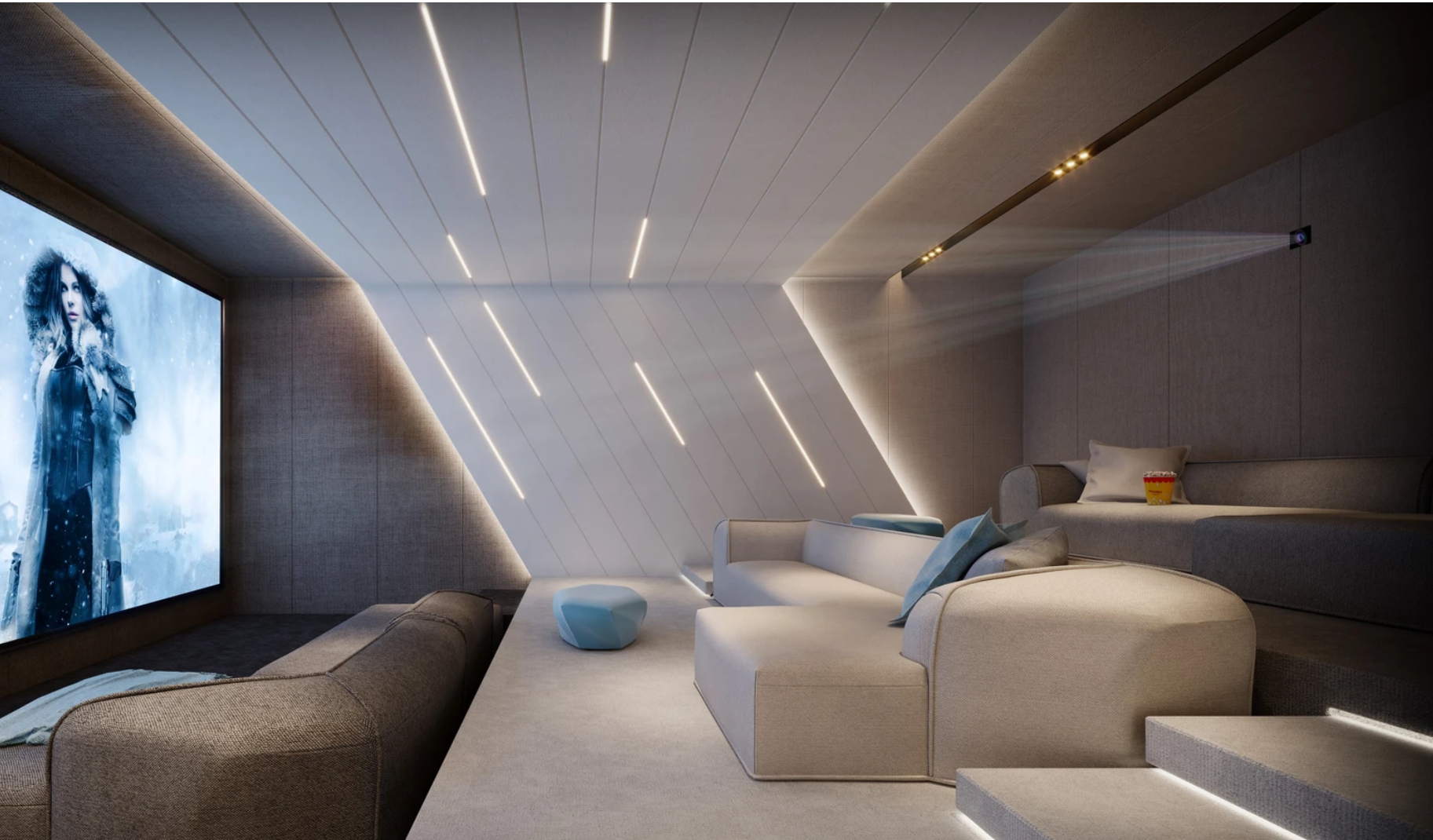
Choosing the right screen type is a crucial step in enhancing your home theater. Let’s explore the different types to see what fits your needs best.
Fixed Frame Screens
Fixed frame screens are a popular choice for many home theater enthusiasts. Picture a large, immovable display that creates a cinematic feel right in your living room. These screens are mounted on the wall and boast tensioned fabric, ensuring a flat surface for a flawless image. They deliver excellent picture quality and are perfect for dedicated theater spaces. The simplicity of having a constant screen setup means there’s less fussing with adjustments.
Using a fixed frame screen can also be a wise investment for those who host frequent movie nights or enjoy gaming on the big screen. It’s a reliable option that offers consistency in performance. But remember, because it’s fixed, you’ll need dedicated wall space to accommodate it. For more insights, check out this guide.
Motorized Screens
Now, if you’re looking for flexibility and a touch of tech-savvy style, motorized screens might be your go-to. These screens retract into a casing when not in use, blending seamlessly into your living environment. Imagine pressing a button and having your screen elegantly descend from the ceiling. It’s not just a space-saver, but a conversation starter!
Motorized screens are especially beneficial in multipurpose rooms where you want to maintain a clean aesthetic. They’re perfect for those who love the idea of transforming their living space into a theater at a moment’s notice. However, they do require an electrical source and a little more planning during installation. For more details on choosing the right type, visit this resource.
Key Features to Consider
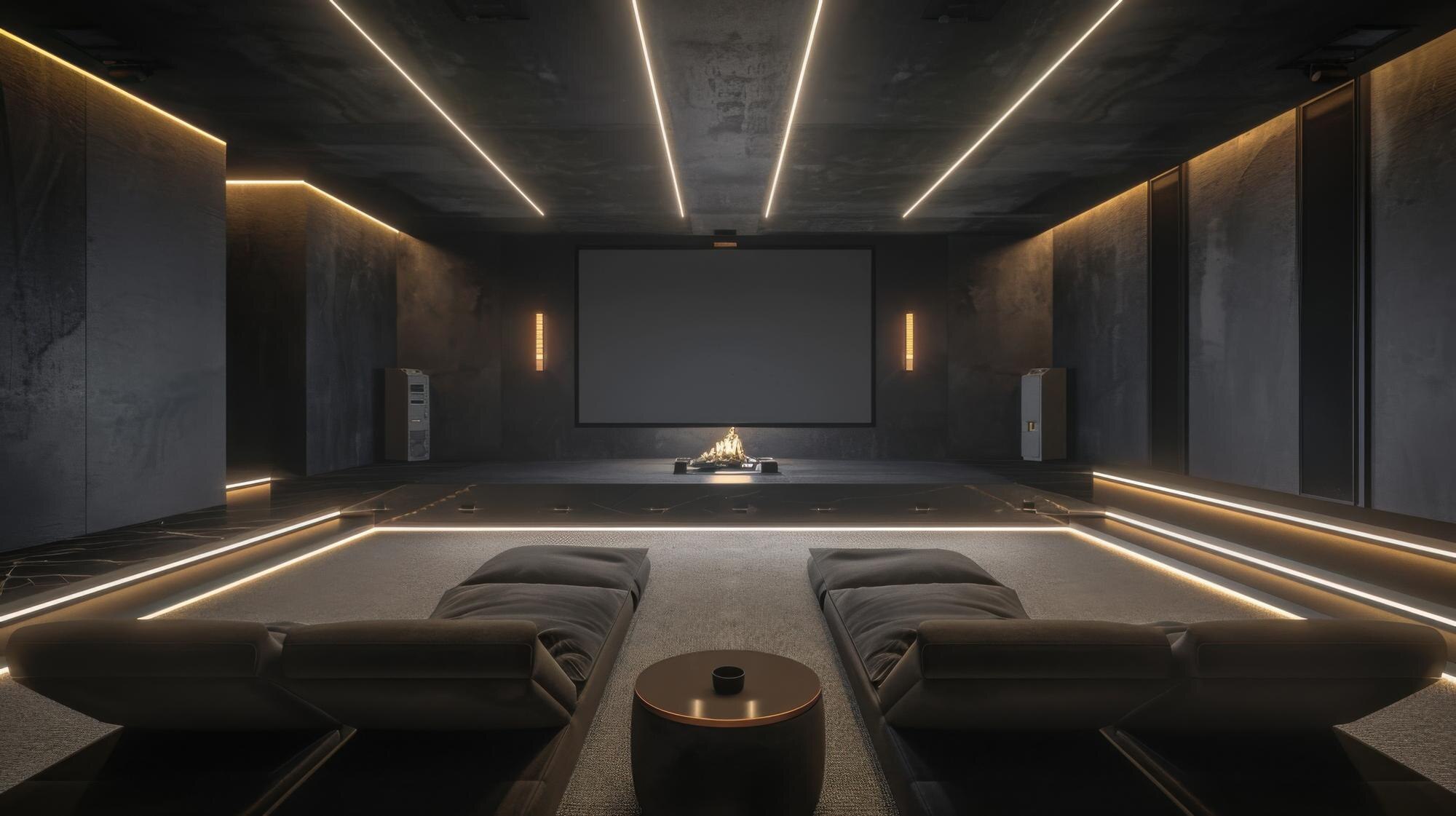
Once you’ve chosen a screen type, there are crucial features to consider that will elevate your viewing experience.
Screen Material Options
The material of your screen can make a significant impact on picture quality. White matte screens are the most common, providing a neutral surface that works well in various lighting conditions. They offer good color reproduction and are a safe choice for general use. If your room has controlled lighting, consider gray screens. These enhance contrast and are ideal for rooms where you want to watch movies with the lights dimmed.
Specialized materials, such as acoustically transparent screens, allow sound to pass through, perfect for those integrating speakers behind the screen. This option provides a seamless audio-visual experience, making you feel like you’re in a mini theater. To explore more about screen materials, check this article.
Aspect Ratio Choices
Aspect ratio determines the shape of your screen. The most common choice for home theaters is 16:9, which suits most modern films and TV shows. It’s a versatile option that balances well with 4K projectors. For cinephiles who love the feel of a classic movie theater, 2.35:1 may be appealing. This ratio provides an ultra-wide cinema experience, making you feel like you’re in a real theater.
Choosing the right aspect ratio depends on your content preference and projector compatibility. Remember, a mismatched ratio can lead to black bars on your screen or cropped content, which can detract from the viewing experience. For more detailed guidance, explore this informative blog.
Creating Your Ideal Setup
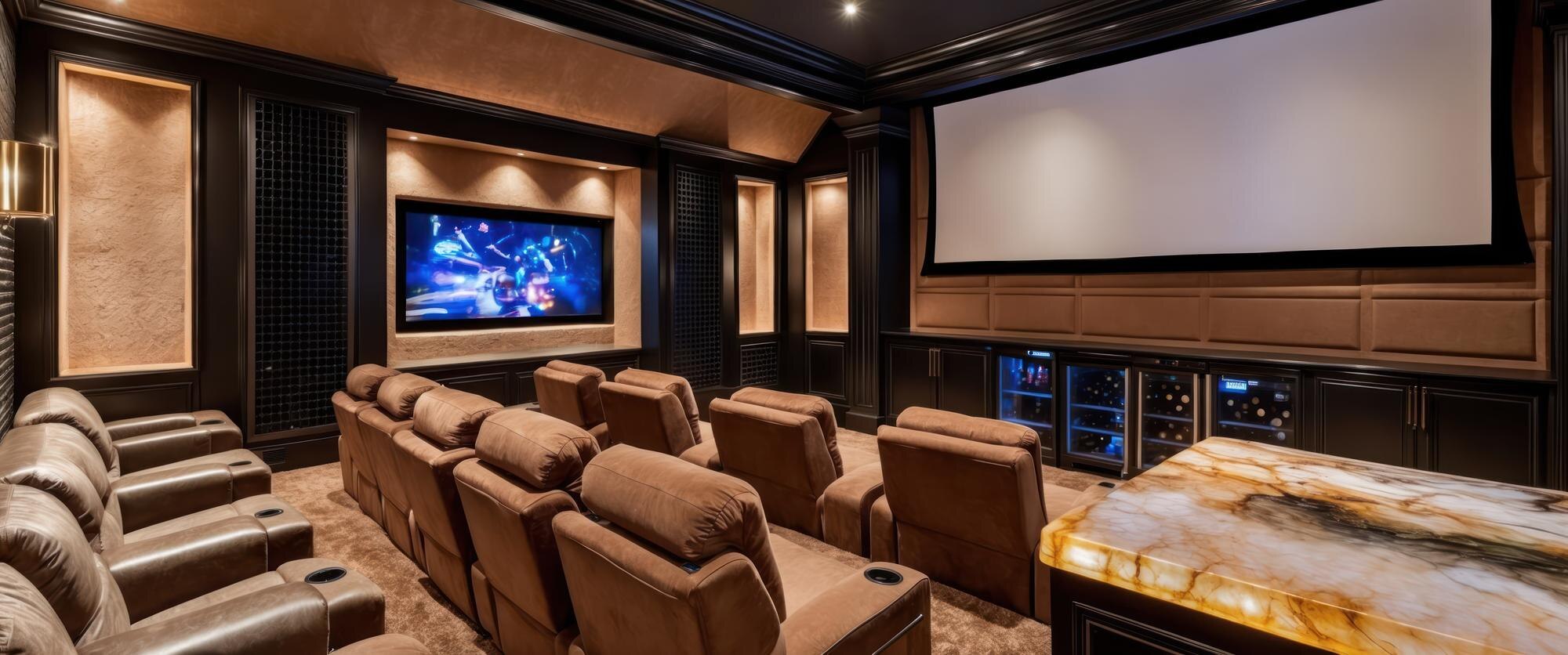
Now that you know what to look for in a screen, it’s time to think about your room setup for optimal viewing.
Room Size and Lighting
The size of your room and the lighting conditions play a crucial role in screen choice. Large rooms can accommodate bigger screens, making you feel enveloped in the action. However, in smaller spaces, you may need to opt for a screen size that maintains image clarity without overwhelming the room.
Lighting is another factor. Ambient light can wash out your screen’s colors and contrast. Consider light control solutions like blackout curtains or smart lights to enhance your viewing experience. Remember, the more you can control your environment, the better your screen will perform.
Pairing with 8K and 4K Projectors
Your projector screen should complement the capabilities of your 8K or 4K projector. These projectors offer stunning resolution, and your screen must be up to the task to showcase this clarity. High-resolution projectors paired with the right screen will bring out vivid colors and sharp details, creating an immersive experience.
For the best results, ensure your screen material can handle the high levels of brightness and detail these projectors deliver. Compatibility is key, so research and possibly consult with a professional to get the most out of your investment in luxury home entertainment.
🎥✨
This guide is your first step toward crafting the ultimate home cinema setup. Dive deeper into each aspect, and you’ll find the perfect projector screen to transform your living space into a haven of entertainment.