

Read This Before You Install a Projector and Screen at Home (Dubai Edition)
Planning a home projector installation in Dubai? Many homeowners jump straight to buying gear but miss crucial details that shape your viewing comfort and image quality. From measuring your room and calculating throw distance to picking the right screen type and managing ambient light, each factor changes the whole setup. Keep reading to get the key insights that will help you design a stunning home cinema tailored just for you. For some additional perspectives, check out this guide to creating your home cinema.
Room and Equipment Essentials
To create the perfect home theater, you need to start with some basics. Your room size, layout, and equipment choices play a huge role in the final experience.
Room Size and Layout Tips
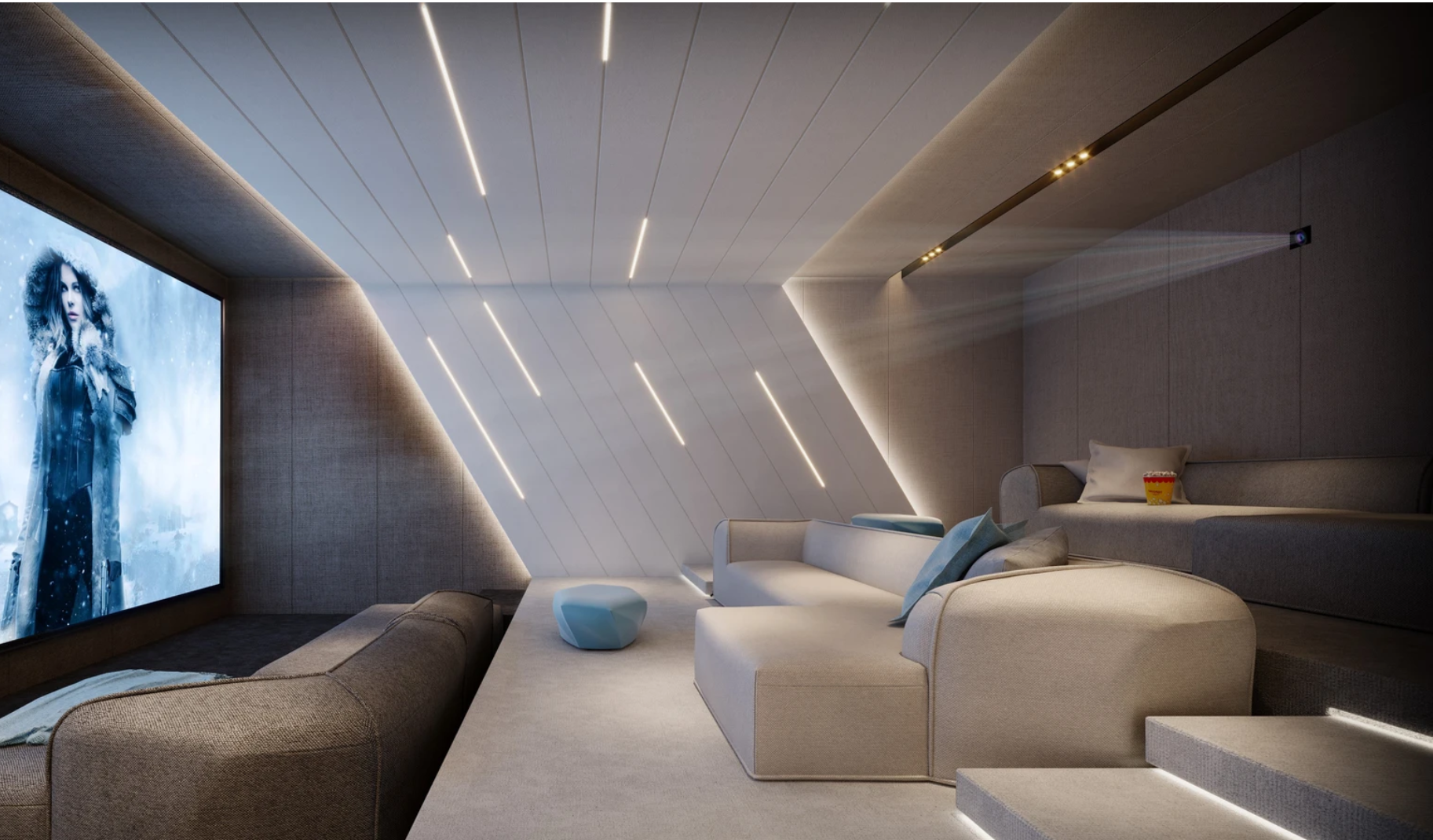
Consider the size of your room first. A larger room gives you more flexibility, but even a smaller space can work with the right setup. Make sure your seating area is comfortable, and ensure there’s enough room between the projector and the screen. This distance will affect picture clarity and size. Plan your layout to avoid any obstructions that might block the projector’s path. Always aim for a clear line of sight from your seats to the screen.
Calculating Throw Distance
Wondering how far to place your projector from the screen? This is known as the throw distance. Many people underestimate its importance, but getting it right is key to a sharp image. To calculate this, look up your projector’s specifications. Most manufacturers provide a throw ratio, which helps you figure out the best distance for your setup. For more detailed guidance, you can check out this throw distance calculator.
Choosing the Right Screen Type
The type of screen you choose impacts the viewing experience significantly. Consider an ambient light rejection (ALR) screen if your room has lots of natural light. ALR screens maintain image quality even in brighter environments. For a more traditional setup, a fixed-frame screen might be ideal, offering a crisp, clear picture. You can also explore retractable screens, which are convenient for multi-purpose rooms.
Technical Considerations
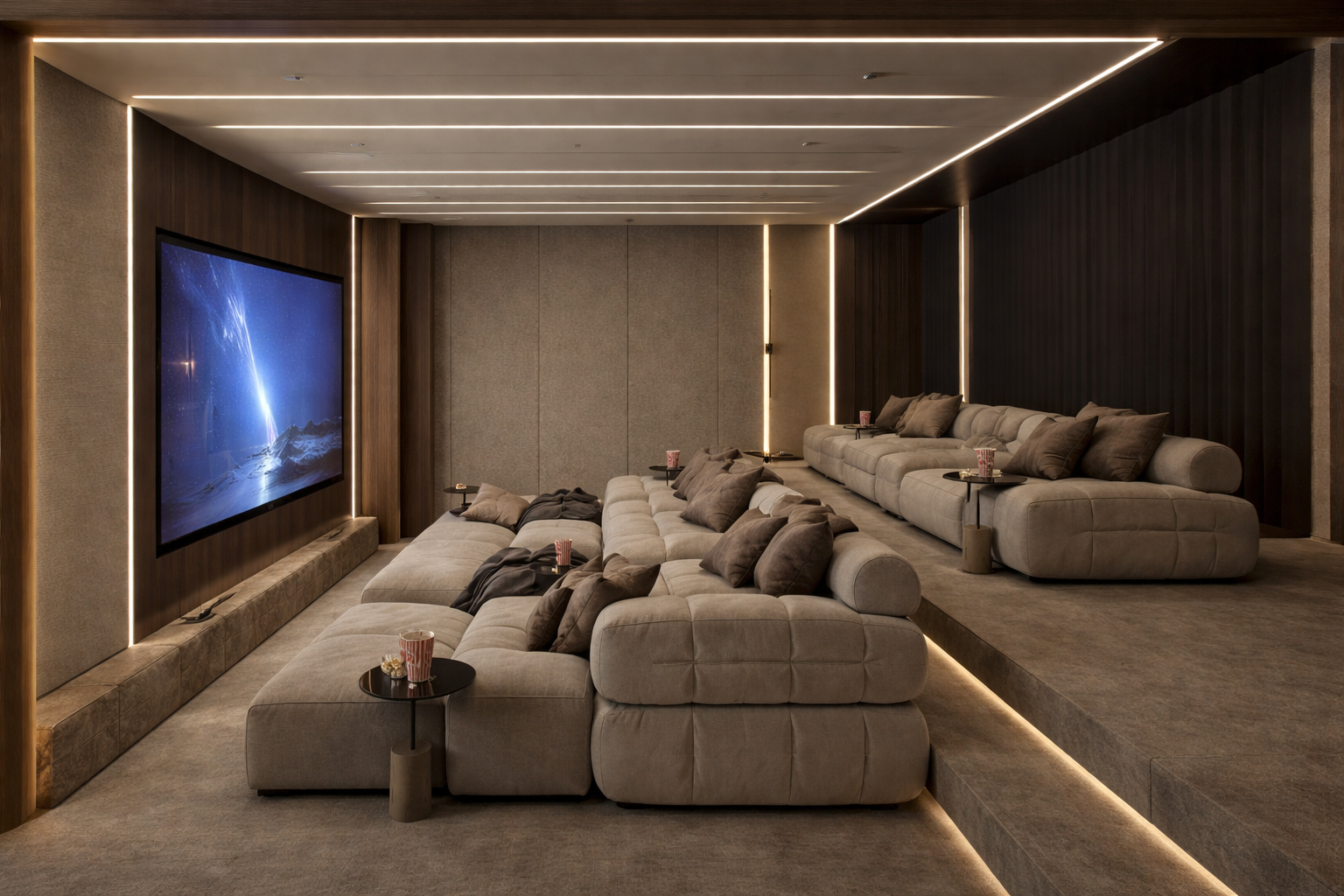
Once you’ve got the basics sorted, it’s time to dive into the technical aspects. Managing light, setting up wiring, and calibrating your system are crucial steps in creating the best viewing experience.
Managing Ambient Light
Ambient light can be a major disruptor in any home cinema. This stray light can wash out the screen, making it hard to see the picture clearly. To combat this, invest in blackout curtains or blinds. If renovating isn’t an option, consider painting the walls a darker color to reduce reflections. An ALR screen can also help by rejecting ambient light, keeping the image crisp and bright.
Wiring and Setup Tips
Proper wiring ensures your system functions smoothly. Plan your cable routes carefully. Use cable management solutions to keep everything tidy and avoid tripping hazards. If you’re feeling overwhelmed, don’t worry. Many homeowners find it helpful to hire a professional for this step. Expert advice can make the process seamless, ensuring all components work together perfectly.
Importance of Professional Calibration
Calibration is often overlooked, but it makes a huge difference in sound and image quality. A professional calibration ensures that your projector and sound system are optimized for your room. This process adjusts colors, brightness, and audio settings to provide the best possible experience. Most people think they can skip this step, but the difference in quality is noticeable. It’s an investment that pays off in every movie or game you enjoy.
Enhancing Your Viewing Experience
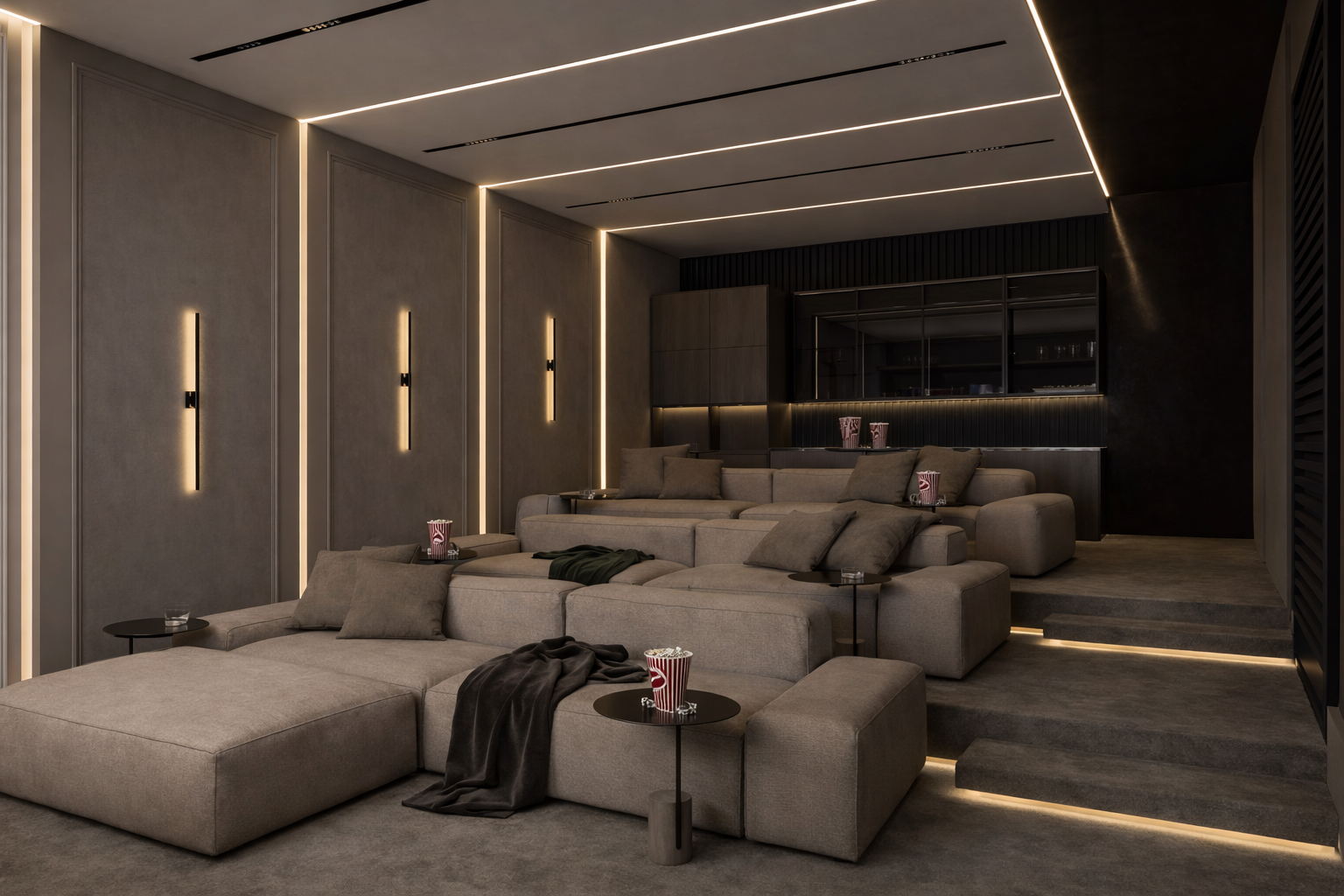
With the technical aspects covered, you can now focus on enhancing the overall experience. Consider soundproofing, smart home integration, and advanced audio options to elevate your home cinema.
Acoustic Treatment and Soundproofing
Sound quality is just as important as picture quality. Acoustic panels can significantly improve audio clarity by reducing echoes and unwanted noise. Place them strategically around the room. For a quieter experience, consider soundproofing. This keeps external noise out and prevents sound from leaking in, allowing you to immerse yourself in the film.
Smart Home Integration Options
Integrating smart technology can take your home theater to the next level. With smart home devices, you can control lights, sound, and the projector with just your voice or a smartphone. This added convenience makes your entertainment experience even more enjoyable. Plus, it allows you to impress guests with the latest in home automation.
Creating a Dolby Atmos Home Theater
For those who crave a true cinematic experience, consider setting up Dolby Atmos. This advanced audio system creates an immersive sound environment that’s hard to match. It adds overhead sound, making you feel like you’re right in the middle of the action. While it might seem complex, setting it up is worth it for audio enthusiasts who seek the ultimate home cinema experience.
In conclusion, creating the perfect home theater involves more than just picking a projector and screen. By considering the room layout, technical setup, and enhancements like smart integration and Dolby Atmos, you can transform any space into a luxury cinematic experience. Whether you’re a tech enthusiast or just looking to make family movie nights more special, these insights will guide you in making confident choices. Enjoy your journey to a stunning home cinema tailored just for you!
0543287995