

Projector vs TV for Your Home Cinema in Dubai: Choose the Right Display for Your Room
Choosing between a projector and a TV can make or break your home cinema in Dubai. Small details like room size, lighting, and screen distance shape your viewing pleasure more than you think. We’ll guide you through key factors like brightness, resolution, and budget so you pick the right display that fits your space and lifestyle perfectly. Ready to create a luxury home theater that wows every time? Let’s get started. For more insights, check out this guide.
Room Size and Seating Distance
Understanding your room’s layout is the first step in choosing between a projector and a TV. Both require different setups for optimal performance.
Factors for Optimal Viewing
The size of your room determines the best type of display. TVs are generally better for smaller spaces, offering a compact setup with excellent picture quality. In a larger room, a projector can provide a more immersive experience with a bigger screen. Calculate how much space you have to ensure your choice fits comfortably.
Calculating Throw Distance
If you lean toward a projector, calculating the throw distance is crucial. This is the distance from the projector to the screen that determines image size. Measure your room to see if it can accommodate the throw distance required for your preferred image size. A short-throw projector might be a good fit if space is limited.
Impact of Screen Size
Screen size influences viewing experience significantly. Larger screens are great for immersiveness, but they need the right amount of space to prevent eye strain. Use a screen size calculator to find the best size for your room, ensuring everyone in the seating area has a clear view.
Lighting and Brightness Considerations
Light in your room plays a big role in the performance of both projectors and TVs. Here’s what you need to know to make the right choice.
Managing Ambient Light
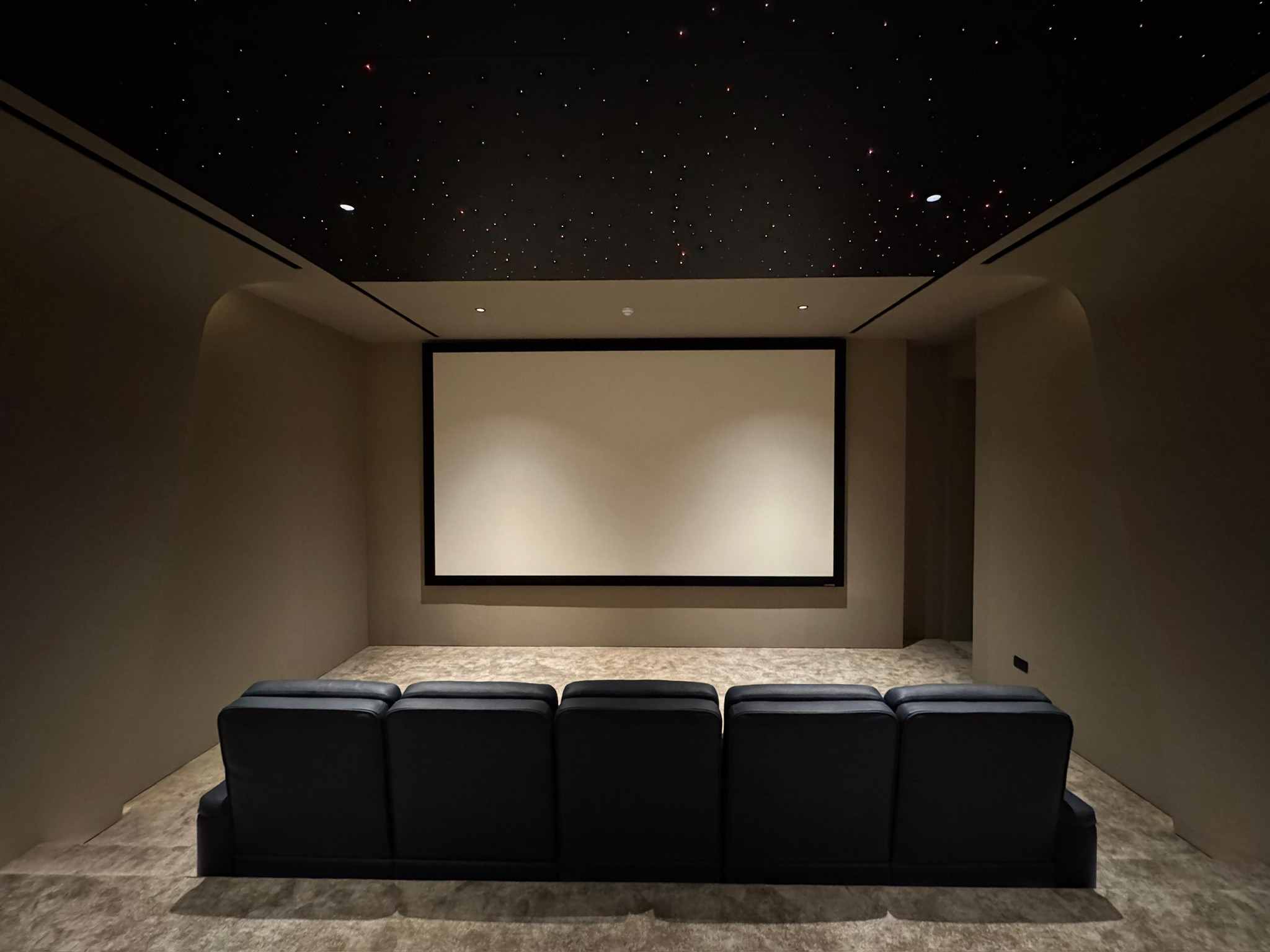
Ambient light affects how well you can see the picture on your screen. TVs, especially OLED models, perform well in bright rooms, maintaining color and contrast. Projectors require careful control of light to prevent washout. Consider blackout curtains or dedicated cinema rooms for projectors.
Nits vs Lumens Explained
Understanding brightness metrics is key. TVs use nits, which measure the light emitted from the screen. Projectors use lumens, indicating the light projected onto the screen. For rooms with lots of natural light, a TV with high nits or a high-lumen projector will provide a clear picture.
Choosing Right Brightness Level
Select a display with suitable brightness for your room’s lighting conditions. TVs with higher nit levels are better for bright spaces. For projectors, aim for at least 2,000 lumens in dim rooms and 3,000 or more for brighter environments. This ensures the picture remains vivid and clear.
Budget and Maintenance
Your budget and how much time you’re willing to invest in maintenance can also guide your decision.
Comparing Initial Costs
The upfront cost of TVs is generally lower than projectors, especially when considering additional equipment a projector might need, like screens and mounts. However, projectors can offer a larger viewing area for a comparable investment in larger screen sizes.
Long-Term Maintenance Tips
Maintenance differs between the two. TVs require little more than occasional dusting. Projectors need lamp replacements and periodic lens cleaning. Understand these commitments before finalizing your choice to ensure ongoing satisfaction with your system.
Balancing Quality and Cost
Finding the balance between quality and cost is essential. Decide which features are most important to you, such as resolution or smart capabilities, and allocate your budget accordingly. Remember, with home theaters, you often get what you pay for. Investing in quality now can save you money and enhance enjoyment in the long run.
Frequently Asked Questions
What is the ideal room size for a projector?
A larger room is generally better for projectors, as it can accommodate a bigger screen and the necessary throw distance. Measure your space to ensure it fits your desired screen size and setup.
How do I control ambient light in my home cinema?
Use blackout curtains, strategically positioned lighting, and consider creating a dedicated room to minimize light interference. This enhances the performance of projectors and improves viewing quality.
Is maintenance more expensive for projectors or TVs?
Projectors often require more maintenance, such as replacing lamps and cleaning lenses. TVs typically need less upkeep, primarily dusting and occasional software updates.
Do I need a special screen for a projector?
A dedicated screen optimizes picture quality for projectors, but you can also use a flat, white wall as an alternative. A screen provides better contrast and color accuracy.
How do I choose between nits and lumens?
Select nits for TVs and lumens for projectors. Higher numbers in each category indicate better performance in brighter environments, ensuring a vivid and clear picture.
0543287995