

Before You Build: The Essential Checklist for a Truly Custom Home Cinema Fit-Out (Dubai Guide)
Most custom home cinema Dubai projects stumble before a single speaker is hung. Without the right pre-install checklist, you risk costly mistakes in screen size, wiring, and acoustics. We’ll guide you through every essential step to design a flawless home cinema fit-out that fits your space and style perfectly. Ready to plan your dream cinema? Let’s start! Check out this Ultimate Home Cinema Design Guide for more tips!
Essential Pre-Install Planning Steps
Creating a custom home cinema is an exciting venture. The initial planning phase is crucial in laying the groundwork for a stellar cinematic experience. Let’s dive into what you need to consider before installation begins.
Custom Home Cinema Design Factors
When designing your home cinema, the room’s dimensions and layout are the first things to assess. Considerations such as ceiling height, wall length, and available space all factor into your design choices. Do you want a cozy, intimate space or a more expansive theater feel? Visualize your ideal setup. This includes the seating arrangement and screen placement. Think about where you want to enjoy the view and how it aligns with seating. For a detailed guide on seating and setup, Octane Seating’s blog offers great insights.
Critical Acoustic Considerations
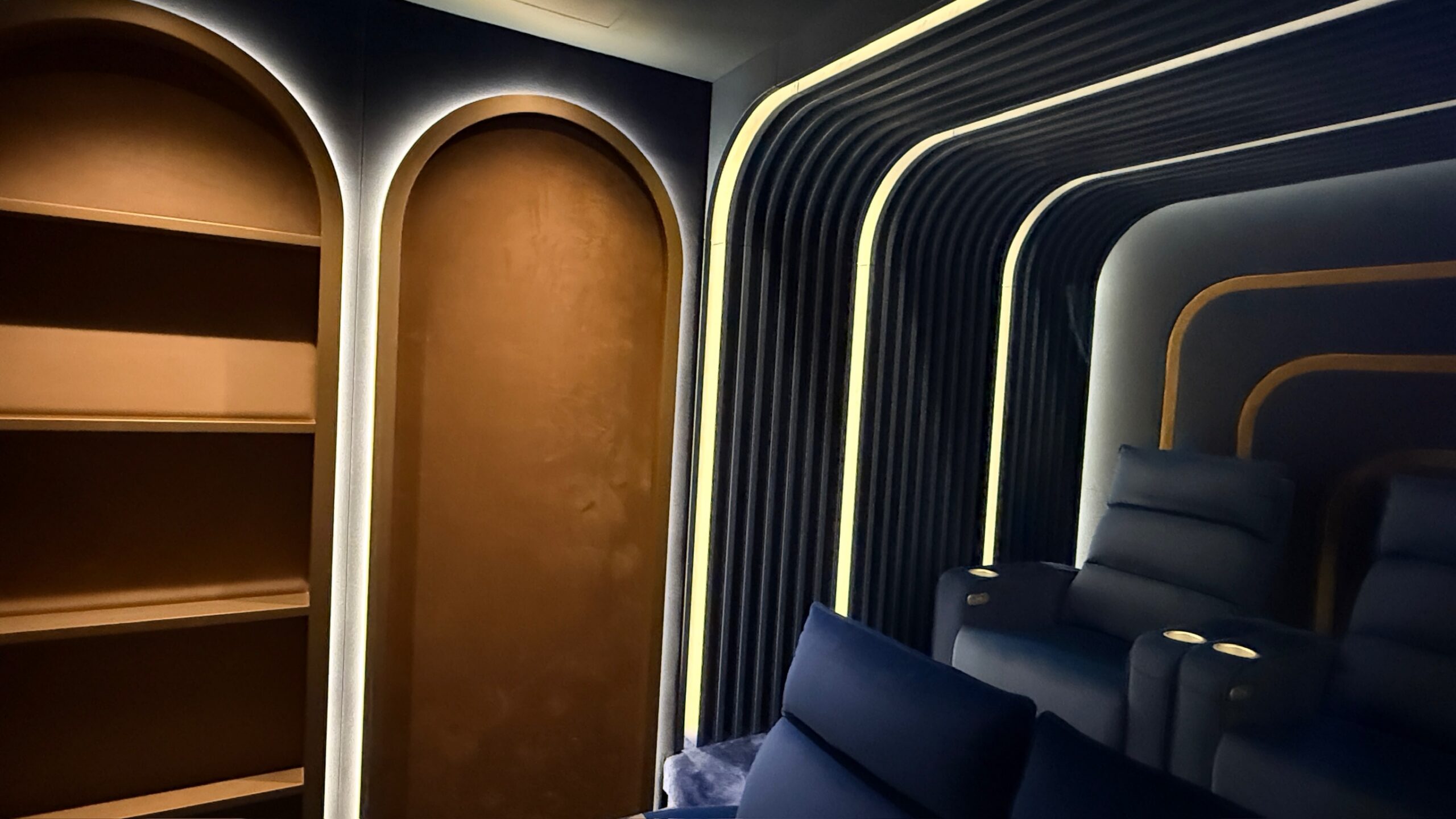
Sound quality can make or break your cinema experience. Pay attention to room acoustics. Hard surfaces can reflect sound, causing echoes and distortion. Consider installing acoustic panels to absorb excess noise. This ensures clear and balanced sound. For more soundproofing tips, visit Abode Construction.
Smart Home Automation Integration
Think about integrating smart home technology into your cinema for ease and convenience. Automation can control lighting, sound, and temperature with a single command. Imagine dimming the lights and starting a movie without leaving your seat. That’s the convenience smart automation offers.
Key Design and Layout Considerations
With a solid plan in place, it’s time to focus on the finer details of design and layout. Each element contributes to the overall experience.
Home Theater Screen Size and Placement
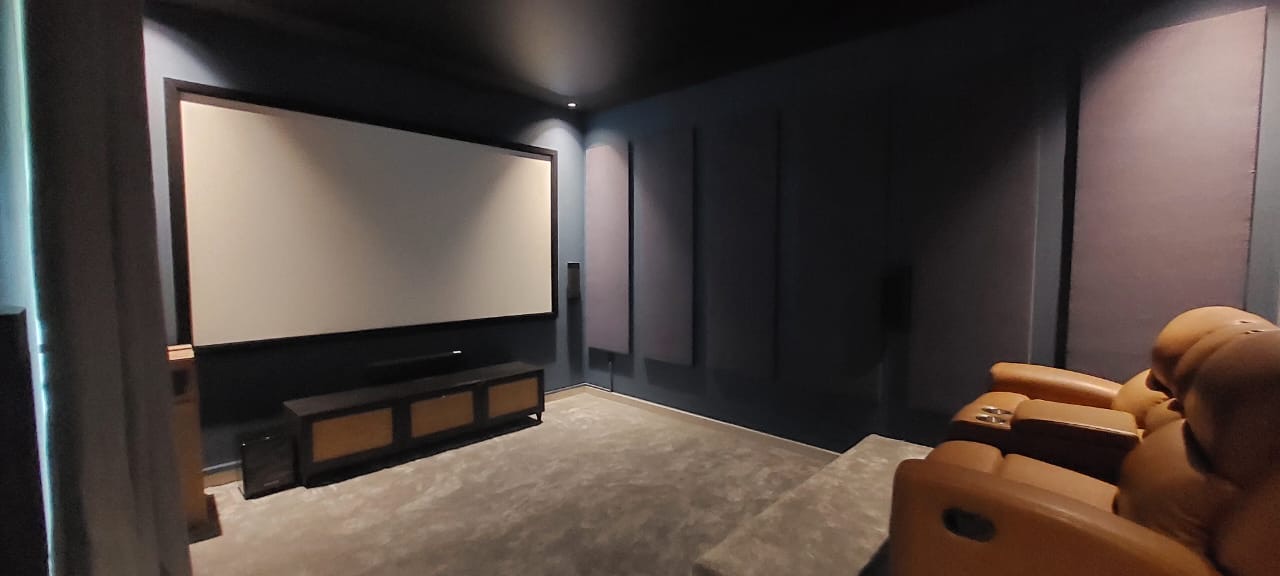
Choosing the right screen size is essential. A screen too large or too small can compromise viewing comfort. Measure your room to determine the optimal size. Consider the distance from the seating to the screen. Position the screen at eye level for the best viewing experience.
Projector Throw Distance and Lighting Control
The projector’s throw distance is another critical factor. This is the distance between the projector and the screen. It affects image clarity and size. Make sure your projector has enough space to project a clear image without obstruction. Additionally, control ambient lighting to minimize glare on the screen. Curtains or dimmable lights can help create the perfect viewing environment.
Luxury Home Theater Seating and Riser Design
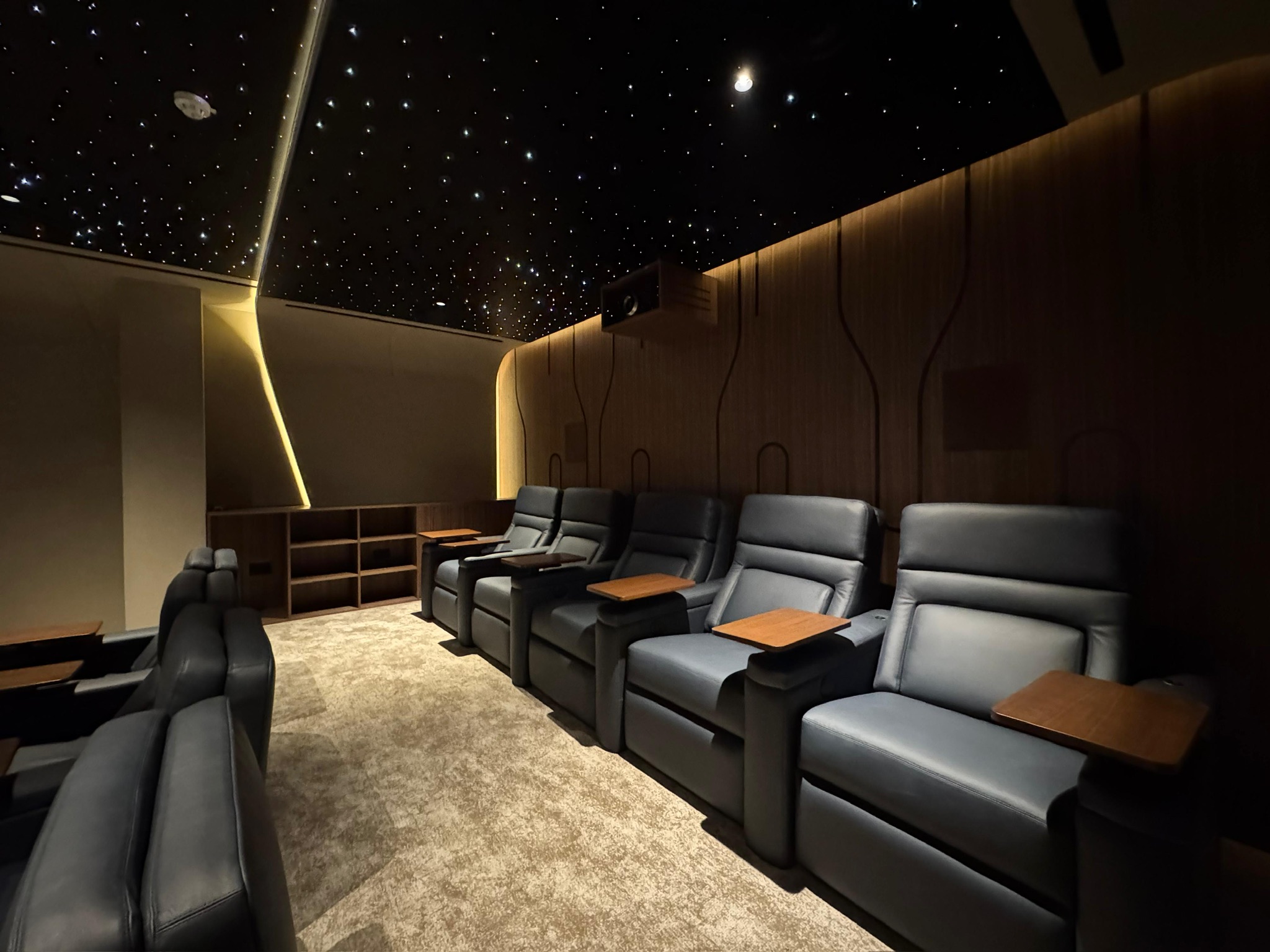
Comfort is key in a home cinema. Invest in luxury seating to enhance the experience. Consider features like reclining options and cup holders. A riser can elevate the seating, providing optimal viewing angles for all rows. Explore creative designs and materials that fit your style.
Technical Installation Requirements
With design and layout decisions made, turn your focus to the technical aspects of installation. This ensures everything functions seamlessly.
Home Theater Wiring and Power Needs
Proper wiring is crucial for a neat and efficient setup. Plan your wiring layout early to avoid clutter. Ensure you have sufficient power outlets for all equipment. Consider professional installation to handle complex wiring needs, ensuring safety and performance.
Acoustic Treatment and Soundproofing Solutions
Acoustic treatment enhances sound quality by managing echoes and reverberations. Soundproofing keeps external noise at bay, providing an immersive experience. Materials like thick curtains, carpets, and specialized panels can help achieve this. These elements work together to create a controlled sound environment.
AV Calibration and Equipment Specifications
Calibrating audio-visual equipment ensures optimal performance. Adjust settings like brightness, contrast, and sound levels to suit your preferences. Familiarize yourself with equipment specifications to make informed choices. For calibration tips, check out related Home Cinema Contractors.
Frequently Asked Questions
What is the ideal size for a home theater screen?
The ideal screen size depends on the room’s dimensions and seating distance. Typically, the screen should be one-third to one-half the distance from the primary seating area.
How can I improve sound quality in my home cinema?
Improving sound quality involves using acoustic panels to reduce echoes and soundproofing to block external noise. Proper speaker placement also enhances audio clarity.
What is smart home automation in a cinema?
Smart home automation in a cinema allows for the control of lighting, sound, and temperature through a single system. This integration enhances convenience and the cinematic experience.
Why is projector throw distance important?
Projector throw distance affects the size and clarity of the projected image. Ensuring the right distance prevents distortion and maximizes image quality.
How do I choose the right seating for my home cinema?
Choosing the right seating involves considering comfort and functionality. Look for features like reclining options, cup holders, and ergonomic design to enhance the viewing experience.