


Projector + Screen Perfect Match: How to Choose the Right Pair for Your Dubai Home Cinema
Choosing the right home cinema projector and screen isn’t just about picking the most expensive gear. It’s about matching your room’s size, lighting, and seating for the best picture and sound. Get this wrong, and even a top-tier 4K projector Dubai can fall flat. Keep reading to learn how to select the perfect pair that makes every movie night unforgettable.
Choosing the Right Projector
Selecting the perfect projector is the first step in creating a cinematic experience at home. You’ll want to consider the type of projector that best suits your needs and room setup.
Understanding Home Cinema Projectors
Home cinema projectors come in various types, each offering unique benefits for different setups. The main categories include DLP, LCD, and LED projectors. DLP projectors are known for their sharp images and smooth motion. LCD models provide vivid colors and excellent brightness, making them ideal for rooms with some ambient light. LED projectors boast long lamp life and energy efficiency, suitable for eco-conscious users. When choosing, consider the room’s size and light conditions to ensure you get the best picture quality.
Exploring 4K Projectors in Dubai
For those seeking the ultimate viewing experience, a 4K projector offers unparalleled detail and clarity. In Dubai, you can find models from top brands like BenQ, which deliver stunning image quality. With a resolution four times that of Full HD, 4K projectors are perfect for large screens and detailed visuals. They also support HDR content, enhancing contrast and color depth for a more immersive experience. While they may be pricier, the visual payoff is significant.
Benefits of Ultra Short Throw Projectors
Ultra short throw (UST) projectors are a game-changer for small spaces. These projectors can be placed just inches from the screen and still deliver large images. This makes them ideal for rooms where space is limited. UST projectors reduce the risk of shadows and glare, providing a seamless viewing experience. They also integrate well with modern home decor, reducing clutter and maintaining aesthetics. If you’re looking to maximize space and maintain a clean look, a UST projector could be the perfect choice.
Selecting the Perfect Screen
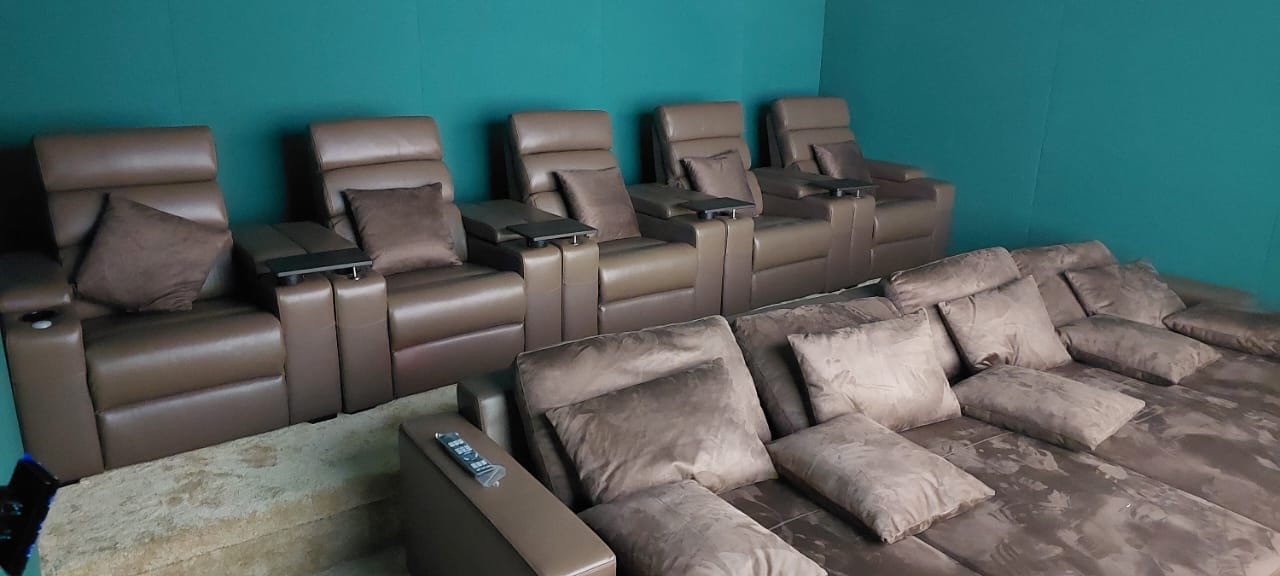
Pairing your projector with the right screen is crucial for optimal performance. The screen size, material, and gain can significantly impact your viewing experience.
Projector Screen Size Guide
Screen size is one of the most important factors when setting up your home cinema. The ideal screen size depends on the throw distance and seating arrangement. A general rule is that the screen width should be about one-third the distance from the screen to the closest seat. This ensures everyone enjoys a clear, immersive view. Selecting a screen that’s too large for your space can cause discomfort, while a screen that’s too small may not fully utilize the projector’s capabilities.
Importance of Screen Gain and ALR Screens
Screen gain refers to how much light the screen reflects. Higher gain screens are brighter, which can be beneficial in rooms with ambient light. However, they can also cause hot spots and uneven brightness. ALR (ambient light rejecting) screens are designed to combat these issues by absorbing unwanted light. This feature is particularly useful in rooms where controlling ambient light is challenging. Choosing a screen with the right gain and ALR properties can enhance color accuracy and contrast, ensuring a vibrant picture in any setting.
Matching Screen with Room Lighting
Lighting plays a crucial role in screen performance. For a room with controlled lighting, a standard white screen with moderate gain might suffice. However, spaces with windows or bright lights benefit from ALR screens. These screens maintain image quality by rejecting ambient light and enhancing contrast. Additionally, consider adding blackout curtains or shades to further improve image quality. Proper lighting control paired with the right screen ensures a movie-theater-like experience in your home.
Designing Your Home Theater
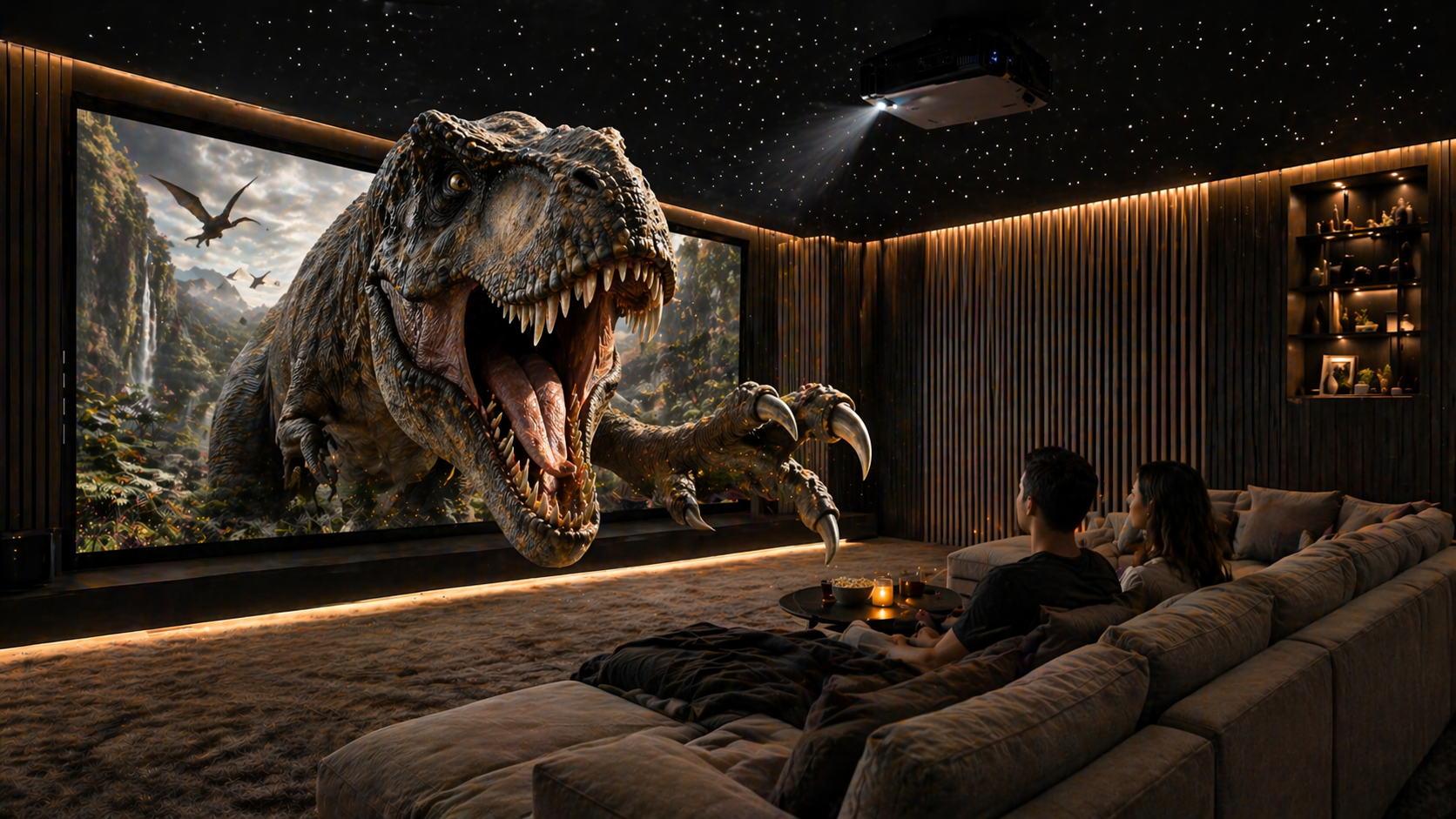
Once you’ve chosen your projector and screen, it’s time to focus on the overall theater design, ensuring every element works together for a seamless experience.
Importance of Throw Distance and Seating
Throw distance is the space between the projector and the screen. It determines the size of the projected image. Knowing your projector’s throw ratio helps in positioning it at the correct distance for your desired screen size. Meanwhile, seating affects how comfortable your viewing is. Arrange seating to provide unobstructed views and maintain an optimal distance from the screen. This setup ensures everyone in the room enjoys the film without straining their eyes or necks.
Acoustic Treatment and Soundproofing Solutions
Sound is as important as the visual in creating an immersive experience. Acoustic treatment improves sound quality by minimizing echoes and reverberations. Use acoustic panels on walls and ceilings to achieve this. Soundproofing is vital to prevent noise from escaping or entering the room. Consider adding heavy curtains, rugs, and special doors to enhance sound isolation. These elements not only improve audio clarity but also maintain privacy and minimize external noise distractions.
Smart Home Integration for Cinematic Experience
Integrating smart home technology into your theater elevates convenience and control. Smart systems can manage lighting, sound, and even the projector. Voice commands or a mobile app allow you to adjust settings without leaving your seat. This integration enriches the viewing experience, making it seamless and enjoyable. For example, dimming the lights or lowering the screen can be automated to create the perfect movie-watching atmosphere.
Frequently Asked Questions
What is the best type of projector for a small room?
For small rooms, ultra short throw projectors are ideal. They require minimal space between the screen and projector, allowing for large images without the need for significant distance.
How does screen gain affect the viewing experience?
Screen gain affects brightness and image quality. Higher gain screens increase brightness but can cause uneven lighting. It’s essential to choose a gain that matches the room’s lighting conditions for the best results.
Why is acoustic treatment necessary in a home theater?
Acoustic treatment reduces echoes and reverberations, improving sound clarity. It ensures that audio is balanced and immersive, enhancing the overall viewing experience.
Can smart home integration improve my home cinema?
Yes, smart home integration offers seamless control over various components of your theater. It allows for easy adjustments to lighting, sound, and projector settings, enhancing convenience and immersion.
What should I consider when choosing projector screen size?
Consider the throw distance and seating arrangement. The screen width should be about one-third of the distance to the closest seat, ensuring a comfortable and immersive viewing experience.