


Soundproofing Your Private Theater: What to Know Before You Build
Most people think adding thick curtains or fancy speakers solves sound issues in home theaters. The truth? Soundproofing is about smart layers—isolating noise from outside while controlling sound inside. If you’re planning home theater soundproofing Dubai-style, understanding the difference between sound isolation vs acoustic treatment is crucial. Keep reading to learn what materials, designs, and budget choices make your private cinema soundproofing truly effective—and how to avoid costly mistakes. For more insights, check out this blog.
Understanding Soundproofing Basics
Creating a private home theater involves more than just equipment and seating. A crucial aspect is making sure your room is properly soundproofed. This ensures a fully immersive experience without disturbing others. Let’s start by breaking down the essentials of soundproofing.
Sound Isolation vs Acoustic Treatment
It’s important to understand that sound isolation and acoustic treatment are not the same. Sound isolation keeps outside noises out and prevents sound from escaping. Acoustic treatment enhances the sound quality within the room. Achieving sound isolation might involve using materials like Mass Loaded Vinyl (MLV), while acoustic treatment might include placing bass traps and diffusers in strategic spots. For detailed insights, explore this home theater blog.
Room Within a Room Concept
For ultimate sound isolation, consider building a “room within a room.” This concept involves constructing an isolated space inside your existing room. By doing so, you reduce sound transmission through walls and floors. The key here is creating a separate structure that doesn’t touch the outer shell, thus minimizing vibrations and noise leaks. This approach can be more complex but is highly effective for soundproof home theater installations in the UAE.
Decoupling Walls and Ceiling
Decoupling is another effective way to reduce sound transmission. By separating the walls and ceiling of your theater from the rest of the house, you minimize vibrations that transfer sound. This might entail using resilient channels or isolation clips. Decoupling is a cornerstone in designing a soundproof home theater in Dubai, ensuring that your cinematic experience remains private and undisturbed.
Materials and Techniques
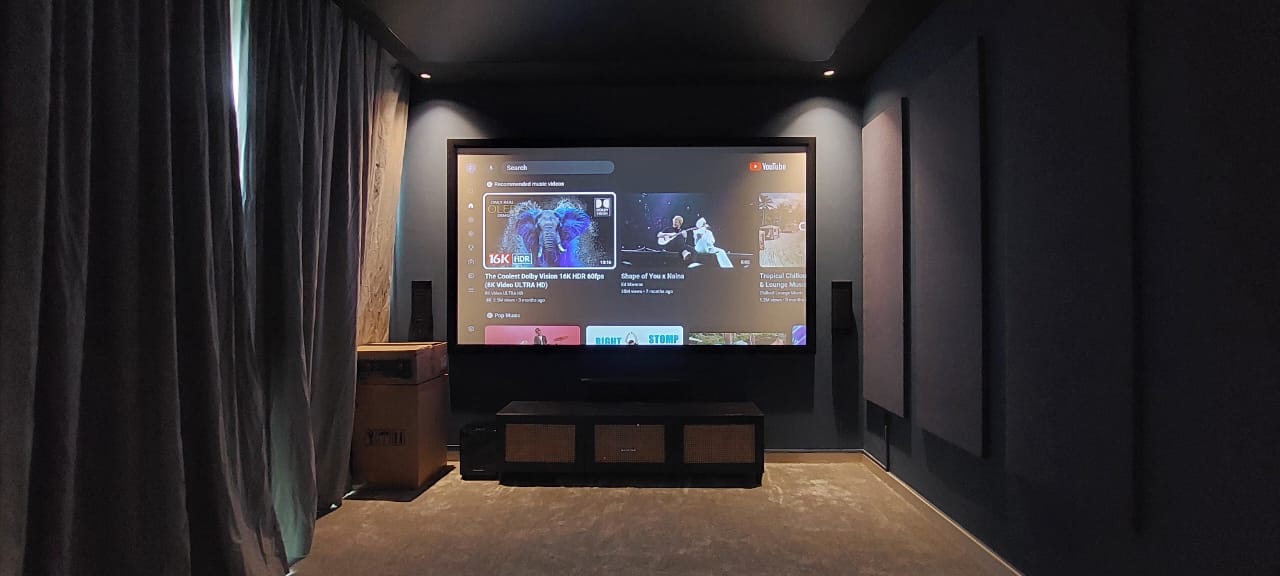
Once you understand the basics, it’s time to explore the materials and techniques that will bring your soundproofing plan to life. These elements are crucial in achieving a cinema-grade environment.
Mass Loaded Vinyl (MLV) Dubai
Mass Loaded Vinyl (MLV) is a popular choice for soundproofing due to its density and flexibility. It’s a barrier that effectively blocks sound waves. In Dubai, MLV is often used in home theaters to create a quiet environment perfect for immersive viewing. Installing MLV involves layering it on walls, floors, or ceilings to reduce noise penetration. Discover more about its application in this video guide.
Green Glue Damping Techniques
Green Glue is another material that Dubai homeowners find beneficial. It’s a damping compound applied between layers of drywall. This technique absorbs sound vibrations, preventing them from passing through walls. Green Glue is easy to apply and can significantly improve your theater’s acoustic performance.
Acoustic Door Seals and Beyond
Don’t overlook doors when planning your soundproofing. Acoustic door seals are essential for preventing sound leaks. These seals close gaps around the door, ensuring sound doesn’t escape. Pairing these with other materials like MLV and Green Glue provides a comprehensive soundproofing solution. For more on soundproofing tips, visit this Facebook video.
Planning Your Budget and Avoiding Pitfalls
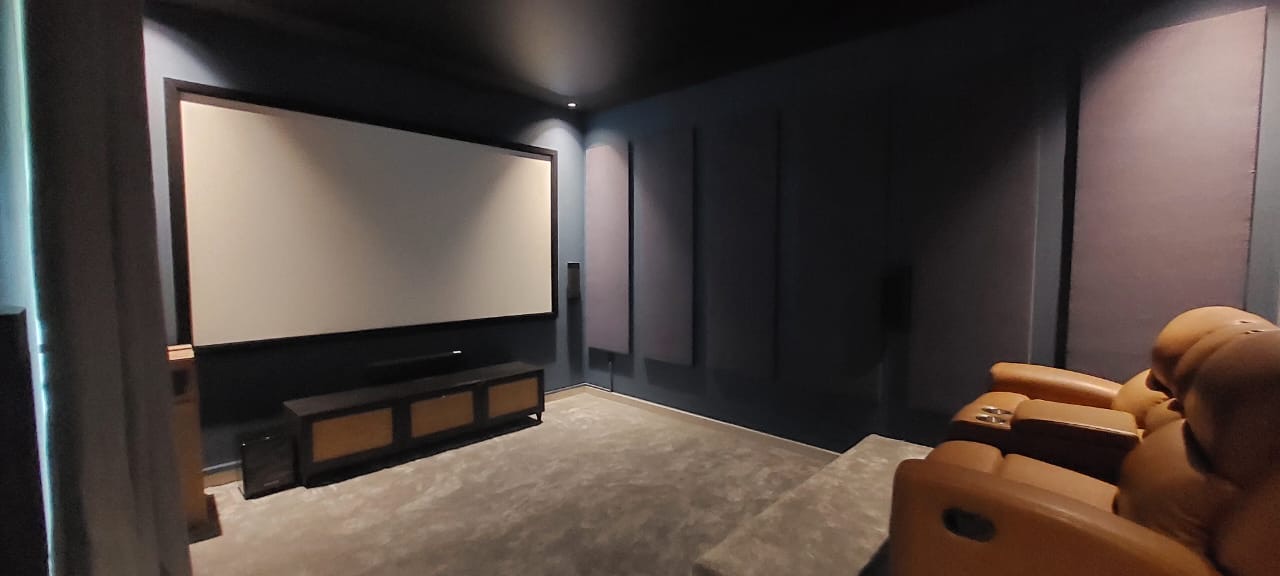
Soundproofing requires careful budget planning. Missteps can lead to subpar results, so understanding different budget tiers is crucial.
Budget Tiers for Soundproofing
Soundproofing can be approached at various budget levels. A basic setup might involve sealing windows and doors, while a premium plan could include full room decoupling. Knowing your limits helps in making informed decisions, ensuring you don’t overspend while still achieving your soundproofing goals.
Common Mistakes in Soundproofing
One of the biggest mistakes is neglecting small details like doors and windows. Overlooking these can lead to disappointing results. Another common error is underestimating the importance of professional installation. Ensuring materials are correctly installed is vital for achieving the desired soundproof effect.
Book Your Consultation Today
You now have the basics of soundproofing your home theater. From understanding key concepts to exploring materials, you’ve got a solid foundation. The next step is to consult with experts who can tailor solutions to your needs. Reach out to a professional for a personalized assessment and turn your vision into reality.
Frequently Asked Questions
What is the difference between sound isolation and acoustic treatment?
Sound isolation keeps external noise out and prevents sound from escaping a room. Acoustic treatment enhances sound quality within the room by managing reflections and resonances.
How effective is Mass Loaded Vinyl for soundproofing?
Mass Loaded Vinyl is highly effective due to its dense nature, which blocks sound waves. It’s widely used in home theaters for creating a quiet environment.
Why is decoupling important in soundproofing?
Decoupling separates structural elements, reducing the transfer of sound vibrations. This is crucial for preventing sound from traveling through walls and ceilings.
How do acoustic door seals work?
Acoustic door seals close gaps around doors, preventing sound from escaping. They are a vital component of a comprehensive soundproofing strategy.
What are common soundproofing mistakes to avoid?
Common mistakes include neglecting doors and windows, and not investing in professional installation. These oversights can compromise soundproofing effectiveness.