


Step-by-Step Guide to Soundproofing Your Home Theater Room
Step-by-Step Guide to Soundproofing Your Home Theater Room
Sound escaping your home theater can ruin the magic of your favorite movies and disturb the whole house. Quieting those walls is easier than you think when you know the right steps. This guide breaks down soundproofing into simple actions that lock in rich audio and keep noise exactly where it belongs—inside your home cinema. Ready to create your perfect immersive entertainment space? For more tips, check out this guide to home theater acoustics.
Preparing Your Home Theater
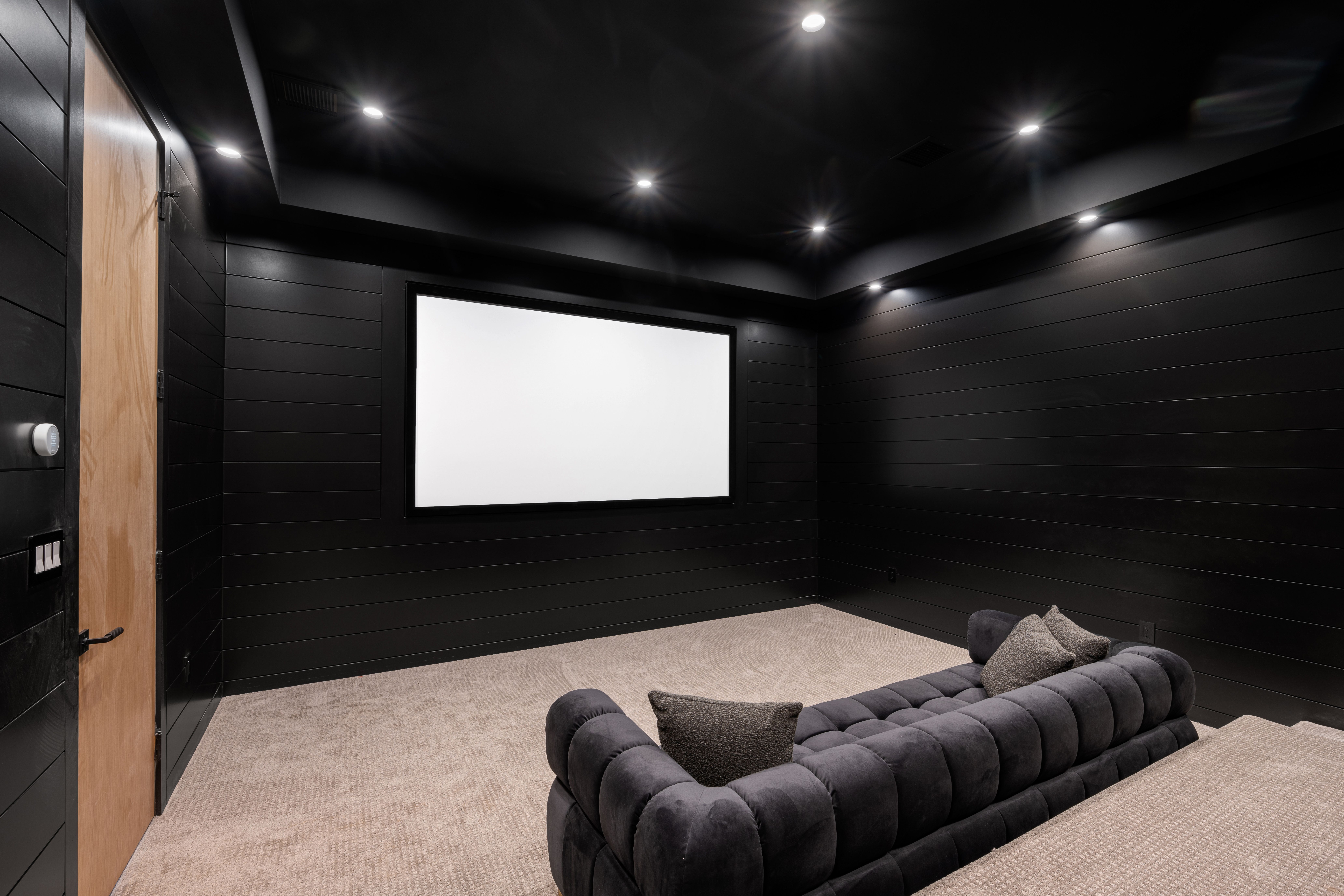
Creating the perfect entertainment space begins with careful planning. By selecting the right room and gathering essential materials, you set the stage for a truly immersive experience.
Selecting the Right Space
Choosing the perfect spot for your home theater is more crucial than you might think. You want a room with minimal noise disturbance and natural sound barriers, such as a basement. Rooms with fewer windows and doors are best, as glass and gaps can leak sound. If you’re working with an existing space, consider adding soundproofing layers to walls or floors for greater sound retention.
Think about the room’s shape, too. Oddly shaped spaces often provide better acoustics. Evaluate the size of your room to determine the best seating arrangement and equipment placement. Remember, the goal is to create a cozy, cinema-like environment that keeps every sound where it belongs.
Essential Soundproofing Materials
Getting the right materials can make or break your soundproofing project. Start with acoustic panels to absorb sound vibrations effectively. These panels come in various designs to match your interior. Mass-loaded vinyl is another excellent choice, adding density to your walls without significant bulk.
Consider soundproof curtains if you have windows. These heavy-duty drapes do more than block light; they also help contain sound within your room. Sealant compounds can fill gaps and cracks, preventing sound from slipping through unnoticed. And don’t forget carpets and rugs—they reduce noise and add to the room’s aesthetic.
Implementing Soundproofing Techniques
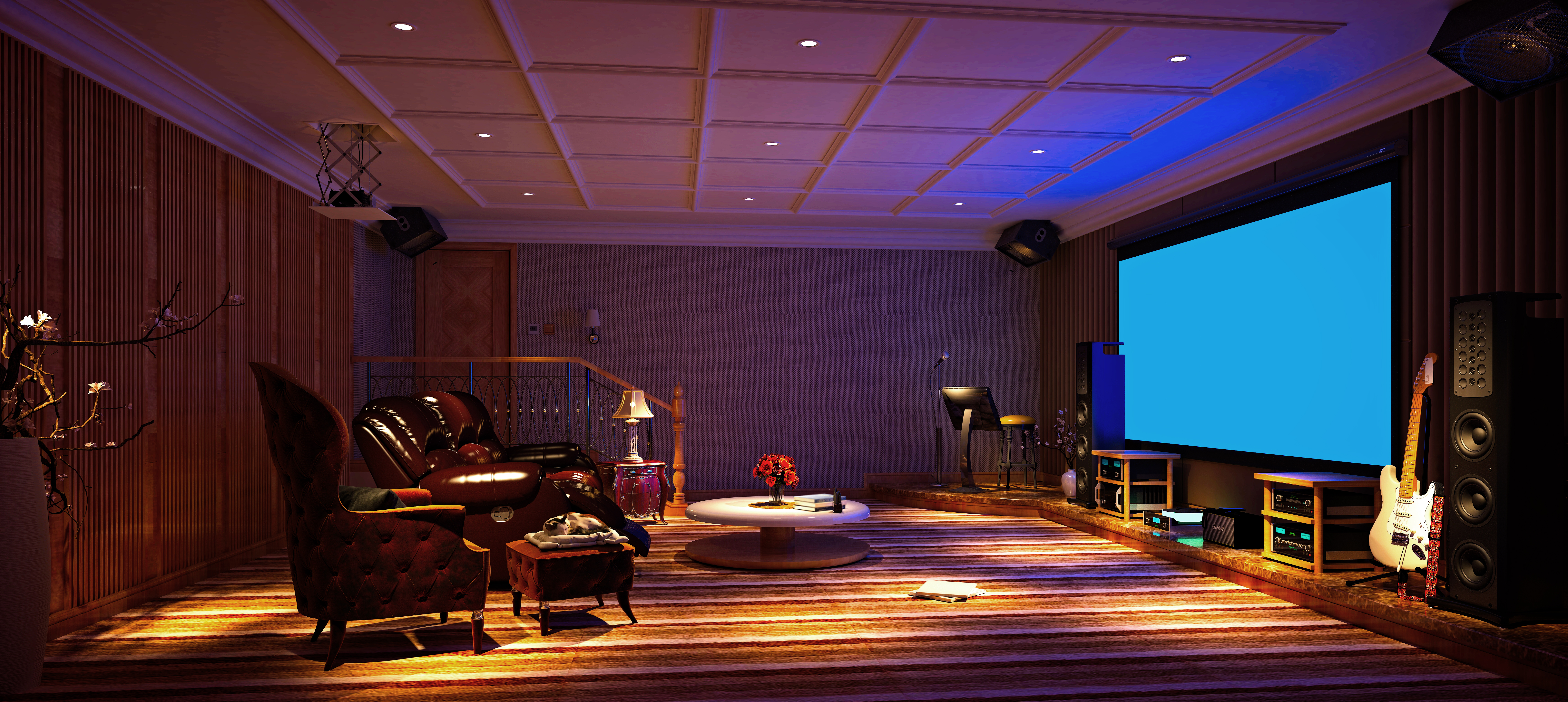
With your space prepped and materials ready, it’s time to dive into action! Let’s explore practical ways to soundproof your home cinema effectively.
Installing Acoustic Panels
One of the most effective steps you can take is installing acoustic panels. These panels absorb sound, reducing echoes and enhancing audio clarity. Begin by measuring your walls to understand how many panels you need. Position them strategically on your walls, focusing on areas opposite your speakers.
For the best results, place panels at the same height as your ears when seated. This ensures optimal sound absorption. Don’t be afraid to use panels as a design element, too. Many come in stylish finishes that can enhance your theater’s look while improving sound quality.
Using Soundproof Curtains
Windows can be a significant source of sound leakage. Installing soundproof curtains is a simple yet effective solution. These heavy, multi-layered curtains help keep sound inside and block outside noise. Hang them as close to the ceiling as possible, ensuring they cover the entire window.
When choosing curtains, look for ones with an extra thick lining. The denser, the better. This thickness not only improves sound retention but also enhances your room’s insulation, keeping it cozy for those long movie nights.
Enhancing Sound Quality
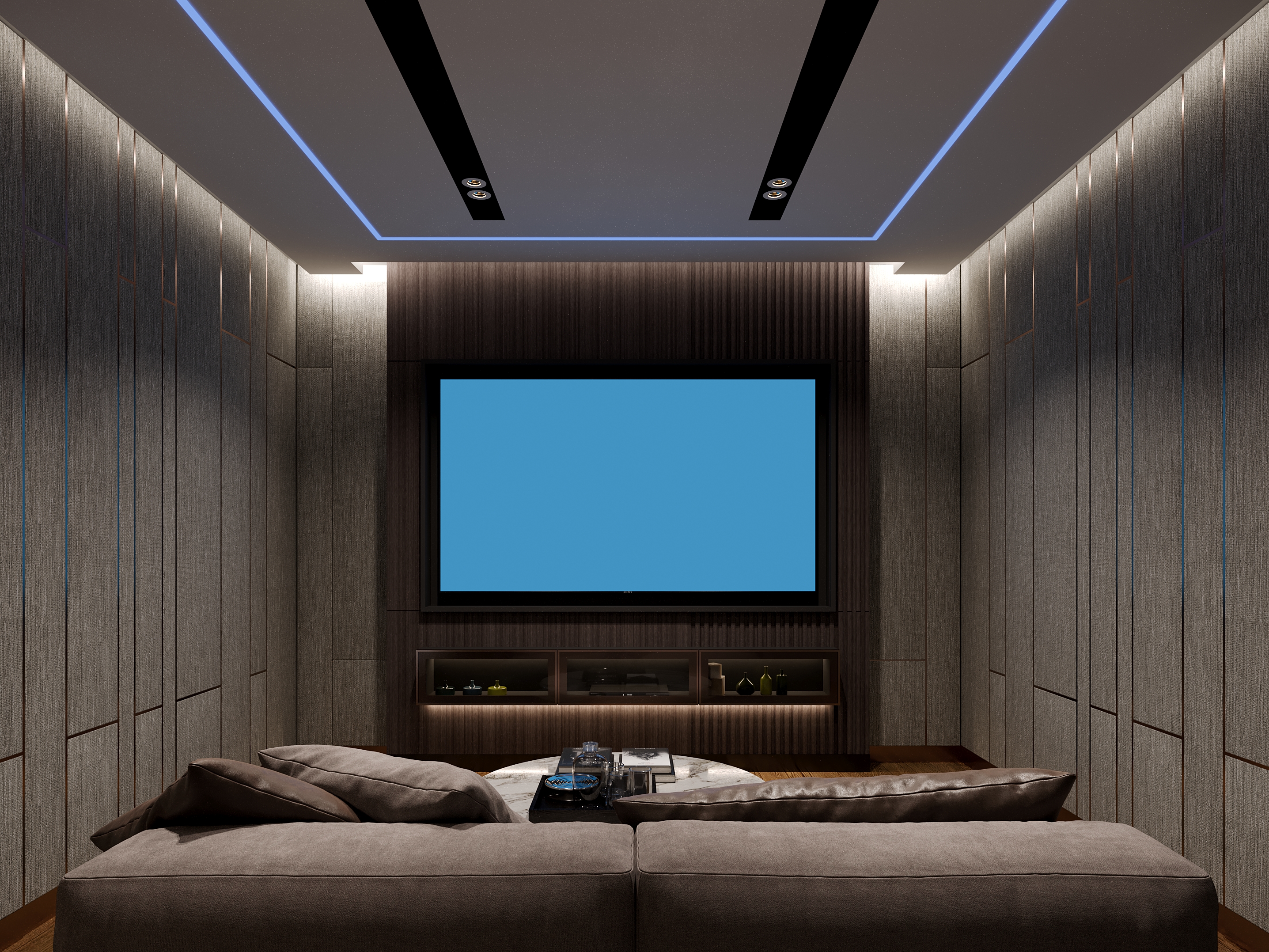
Now that your space is soundproofed, it’s time to fine-tune your audio environment. Small adjustments can lead to significant improvements in sound quality.
Sealing Gaps and Cracks
Gaps and cracks are sneaky sound escape routes. Sealing them can make a noticeable difference. Use acoustic caulk to fill spaces around door frames and baseboards. Pay close attention to any visible gaps in walls or around electrical outlets.
For a more thorough approach, consider applying weather stripping around doors. This not only helps with soundproofing but also improves energy efficiency. A well-sealed room ensures that your sound stays where it should—inside your theater.
Adding Carpet and Rugs
Bare floors can cause sound to bounce, diluting your audio experience. Carpet and rugs are excellent solutions for absorbing sound waves. A thick, dense carpet can work wonders in grounding sound. If replacing the entire floor isn’t an option, strategically place rugs in high-traffic areas.
Choose materials with high pile density for maximum sound absorption. Besides their functional benefits, rugs add warmth and style to your home cinema, making it inviting for family and friends.
By following these steps, you’re well on your way to creating a soundproof home theater that lets you immerse yourself in movies without disturbing the rest of your home. For more soundproofing advice, this detailed guide offers additional tips and insights. Enjoy your new entertainment sanctuary!
0543287995